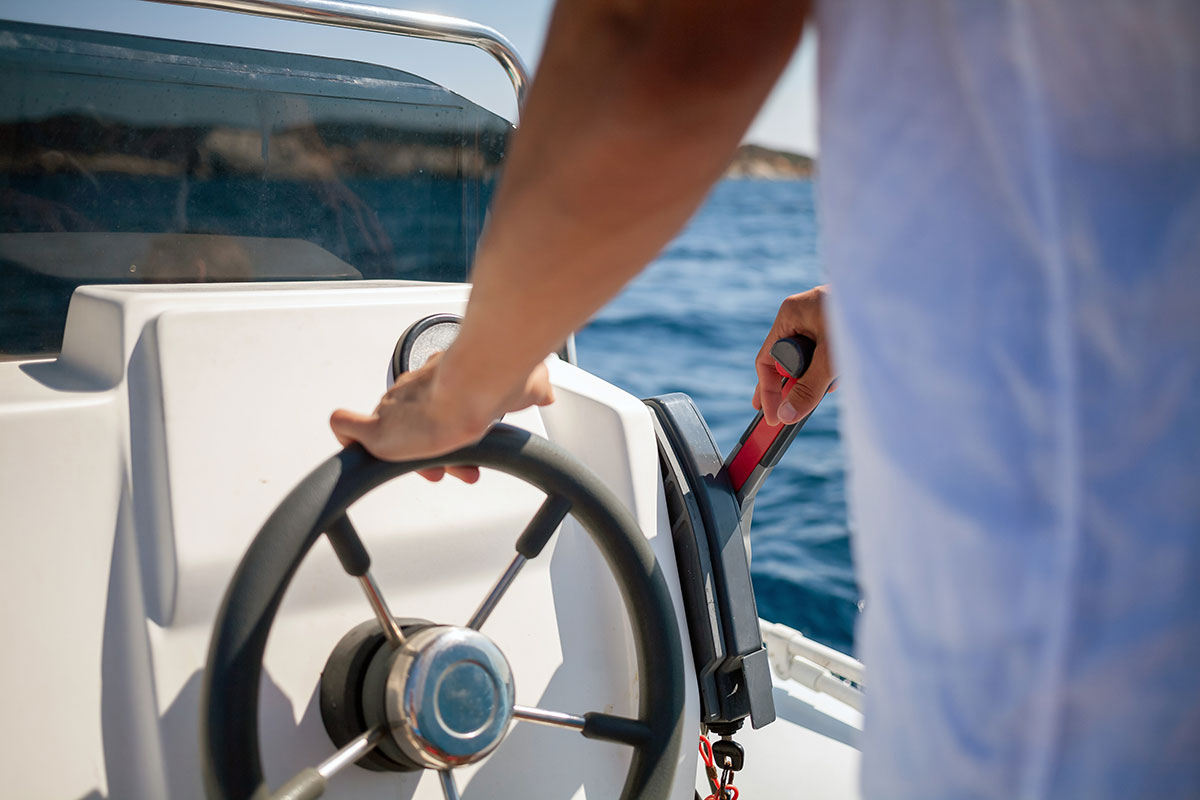
Some of the most valuable leadership lessons I have learned did not come from a classroom, a conference, or a boardroom. They came from time spent on the water.
Growing up in Florida, I developed a deep appreciation for boating at an early age. What started as a recreational activity eventually became one of my favorite ways to clear my mind, recharge, and spend time outdoors. Over the years, I have explored coastal waterways, navigated changing conditions, and experienced the challenges that come with spending time on the water.
The more time I spent boating, the more I realized how many parallels exist between navigating a vessel and leading people, projects, and organizations. Both require preparation, awareness, adaptability, and sound decision-making. In many ways, boating has reinforced some of the most important leadership principles I rely on in my professional life.
A Clear Destination Matters
One of the first things you learn as a boater is that you need to know where you are going before you leave the dock.
That may sound obvious, but it is surprising how often people start a journey without a clear destination. On the water, that can lead to wasted fuel, unnecessary risks, and frustration. In business, it can result in confusion, inefficiency, and missed opportunities.
Effective leaders provide direction. They establish goals and communicate a clear vision for where the team is headed. Without that clarity, people can work hard without making meaningful progress.
Just as a captain studies a route before departure, leaders need to understand the path ahead and help others understand it as well.
Preparation Creates Confidence
Before every boating trip, there is a checklist. Fuel levels need to be checked. Safety equipment must be onboard. Weather conditions should be reviewed. Navigation systems need to be functioning properly.
Most experienced boaters know that preparation often determines whether a trip is enjoyable or stressful.
The same principle applies to leadership.
Preparation is one of the most overlooked components of success. Teams perform better when expectations are clear, resources are available, and potential obstacles have been considered ahead of time.
When leaders take preparation seriously, they create confidence throughout the organization. People feel more capable when they know that risks have been evaluated and plans have been developed.
Preparation does not eliminate uncertainty, but it makes uncertainty easier to manage.
Conditions Can Change Quickly
One thing the water teaches you very quickly is that conditions rarely stay the same for long.
A calm morning can become a windy afternoon. Clear skies can give way to unexpected storms. Tides shift, currents change, and visibility can deteriorate faster than expected.
Boaters learn to respect those realities.
Leadership requires the same mindset. Markets change. Customer expectations evolve. Economic conditions fluctuate. New challenges emerge that were impossible to predict.
The leaders who struggle most are often those who become too attached to a single plan. The leaders who succeed understand that adaptability is essential.
Having a plan is important. Being willing to adjust that plan when circumstances change is equally important.
Situational Awareness Is a Leadership Skill
When operating a boat, you cannot focus only on what is directly in front of you.
You need to pay attention to other vessels, weather conditions, water depth, navigation markers, and changing conditions across the entire environment. Good boaters constantly scan their surroundings because they understand that small details can quickly become major issues.
I believe leadership requires the same level of situational awareness.
Effective leaders pay attention to more than their immediate responsibilities. They monitor trends, listen to feedback, observe changes within their teams, and remain aware of external factors that could affect future outcomes.
Many problems can be avoided when leaders recognize warning signs early.
Situational awareness is not about being reactive. It is about staying informed enough to make better decisions before challenges become crises.
Staying Calm Matters
There is a saying among experienced boaters that panic rarely improves a situation.
Whether dealing with rough water, mechanical issues, or unexpected weather, remaining calm helps you think clearly and respond effectively. Panic tends to create additional mistakes.
The same is true in leadership.
Every organization faces challenges. Deadlines get missed. Projects encounter setbacks. Unexpected problems arise. During those moments, people naturally look to leadership for guidance.
Leaders who remain calm under pressure help create stability for everyone around them. That does not mean ignoring problems or pretending everything is fine. It means approaching challenges with a level head and a focus on solutions.
Calm leadership builds trust because people know they can rely on steady decision-making when circumstances become difficult.
You Are Responsible for More Than Yourself
One of the realities of boating is that your decisions affect everyone onboard.
Passengers trust the captain to make sound choices regarding safety, navigation, and changing conditions. That responsibility encourages a different level of focus and accountability.
Leadership carries a similar responsibility.
The decisions leaders make affect employees, clients, partners, and communities. Actions taken today can influence outcomes for many people tomorrow.
Recognizing that responsibility encourages thoughtful decision-making. It reminds leaders to consider both immediate consequences and long-term impacts.
Good leadership is not about authority. It is about stewardship and responsibility.
Experience Is Valuable, but Learning Never Stops
Even experienced boaters continue learning.
Technology changes. Conditions vary. Every trip presents new situations and opportunities to improve. The most skilled captains are often the ones who remain humble enough to keep learning.
Leadership works the same way.
No matter how much experience someone has, there is always more to learn. New industries emerge, new challenges develop, and new perspectives become available.
The leaders who continue growing are often the ones who remain curious and open-minded throughout their careers.
Confidence is important, but humility allows growth to continue.
Leadership Is a Journey, Not a Destination
One reason I enjoy boating is that every trip is different. Even familiar waterways can present new conditions, new challenges, and new opportunities to learn.
Leadership follows a similar path.
There is no point where someone has completely mastered leadership. The process is ongoing. Every project, every team, and every challenge provides another opportunity to develop skills and gain perspective.
The lessons I have learned on the water continue to influence how I approach both business and life. Navigation requires vision. Preparation creates confidence. Adaptability improves resilience. Situational awareness supports better decisions.
Most importantly, boating has taught me that successful leadership is not about controlling every variable. It is about staying prepared, remaining aware, and guiding others confidently through whatever conditions lie ahead.
Those lessons have served me well on the water, and they continue to serve me well everywhere else.